When Outside Consulting Support May Be Valuable
Material shortages despite high inventory levels, or limited warehouse and buffer space, may be reasons to reconsider your procurement logistics.
Whether you handle the work internally or bring in consultants depends on the stage of your project and the expertise and capacity available within your organization. The key question is whether you first need to clarify causes and objectives, develop a material supply concept, or prepare for implementation. Our project experience shows that outside support can be particularly valuable when cause-and-effect relationships are unclear, a structured approach is needed, or changes must be coordinated across several departments.
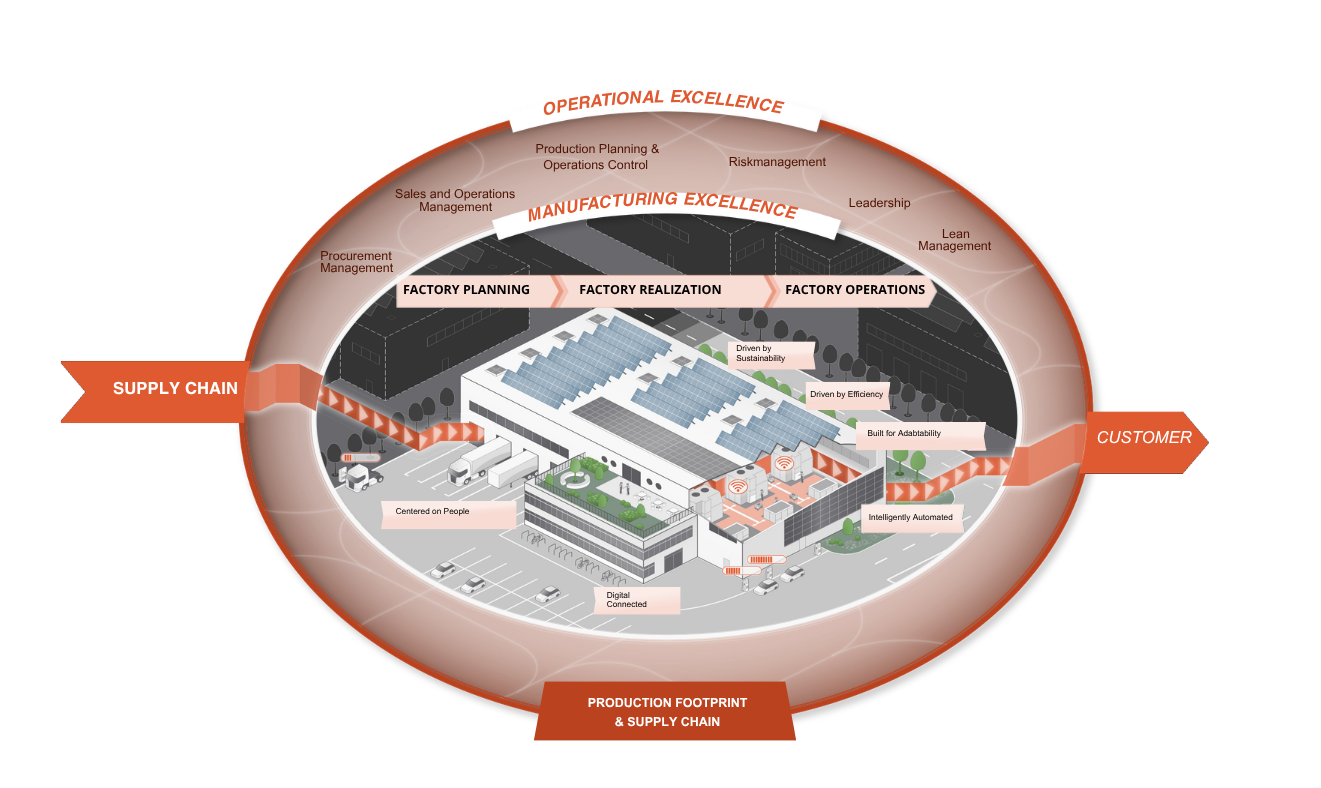
When choosing a consulting partner, consider which areas of expertise they can bring together and what results you need to make a decision. A comprehensive, end-to-end view of material flows and their interdependencies is just as important as combining supply chain expertise with experience in day-to-day factory operations, especially when inventory, material supply, and space planning are closely connected.
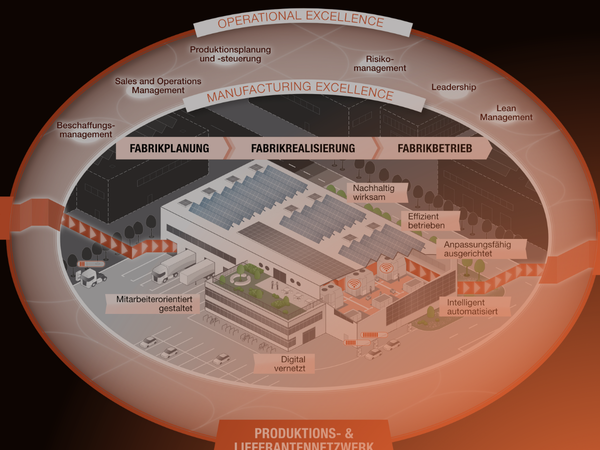
Considering Procurement Logistics and Factory Operations Together
Evaluating the Business Case for Space and Inventory Decisions
The following use cases show how our procurement consulting can affect space requirements and capital tied up in inventory. They draw on a specific factory project and our approach to inventory optimization.
Assessing Procurement Models as Part of the Consulting Approach
A material supply concept should clearly explain which procurement model is appropriate for each type of material. To optimize inventory, Metroplan considers consumption, replenishment lead times, delivery capability, and how critical each material is to production. An ABC/XYZ analysis and an assessment of supplier risks help us categorize the materials. From there, we determine suitable procurement models and inventory coverage targets aligned with demand.
The overview shows the conditions under which each approach may be appropriate. Different approaches can be combined for different material groups.
Evaluating Proposed Solutions and the Scope of Services Together
Several factors matter when comparing consulting proposals. One is the proposed methodology and whether it considers procurement logistics as a whole. The proposal should show how causes and interdependencies will be analyzed, how procurement processes, material supply, and factory requirements will be considered together, and how actionable measures will be developed. Another factor is how the proposed measures will be evaluated financially. Their expected benefits should be assessed alongside the required investment and the effort involved in making the changes.
A sound proposal also specifies the planned analyses and deliverables, the assumptions on which they are based, and who will be responsible through implementation. This helps you determine which services can be provided internally and where additional support is needed.
The following questions help define the services required and assign responsibilities.
Define Your Consulting Needs with a Quick Check
The Quick Check helps you determine the scope of further consulting and planning. Together with procurement, logistics, and production, we assess the current situation across eight areas. You receive a structured assessment and prioritized measures to help define responsibilities and next steps.
You can find the eight areas and our approach, from analysis through implementation, here: Procurement Management for Manufacturing Companies
Request a Quick Check