Procurement Management as a Driver of Factory Performance
Stilisierte Weltkarte mit leuchtenden Knotenpunkten zeigt Verbindungslinien zwischen Kontinenten. Blaue Lichtbögen verbinden mehrere Standorte über Ozeane auf dunklem Hintergrund, verteilt über Nordamerika, Europa, Afrika, Asien und Australien.

Procurement Management: Safeguard Production and Improve Cost Efficiency

Align material supply with demand to reduce capital tied up in inventory and free up space for value-adding work in your factory

Inquire about Procurement ManagementStart with a Quick Check

Improve Your Factory’s Cost Efficiency and Material Supply Through Better Procurement

Your production needs a reliable material supply without inventory tying up unnecessary capital or occupying space intended for value-adding work. Metroplan advises industrial companies and designs their procurement logistics to make a targeted contribution to factory performance and cost efficiency. We combine supply chain management expertise with years of experience in factory processes and material flows.

This combination allows us to improve factory performance and cost efficiency through procurement optimization. We align inventory coverage targets, delivery quantities, and delivery intervals with your production needs and assess their effects on security of supply, space requirements, and costs.

Inquire about Procurement Management

Assess the Business Value with Clear Metrics

We assess the business value of procurement management measures across the following five areas. To measure their impact on factory operations systematically, we define suitable metrics and compare the results with the starting point.

Security of Supply

Material-related downtime % of planned production time

We align delivery dates, replenishment lead times, and safety stock with your production requirements. The share of production time lost because of material shortages shows whether supply is becoming more reliable.


Inventory and Capital Tied Up

Inventory coverage Days per material group

We set inventory coverage targets based on consumption, fluctuations in demand, and supply risks. Changes in coverage show how inventory develops relative to consumption. This makes it possible to reduce excess stock while retaining the buffers that are needed.

Space Requirements

Warehouse and buffer space m² per unit of production

Coordinated delivery quantities and intervals can free up space for manufacturing or assembly. We assess the warehouse and buffer space required in relation to production volume and account for changes in the product mix.

Obsolescence and Scrap

Obsolescence-related scrap rate %

We align procurement models, order quantities, and call-offs with consumption and foreseeable production demand. This reduces the risk of holding materials that are no longer needed. The obsolescence-related scrap rate makes the resulting material losses visible.

Administrative Effort

Share of individual purchase orders % of order and call-off transactions

For suitable materials, we replace recurring individual purchase orders with standardized, preferably automated call-offs. This reduces the work involved in creating and processing orders. A declining share of individual orders shows the progress of this change.

How Procurement Logistics Improves Your Factory’s Cost Efficiency

Use Case 1

Gain Assembly Space and Avoid Expansion

A factory project called for an expansion. By optimizing procurement logistics, we reduced the space required for logistics and increased the area available for assembly. The planned first phase of expansion was no longer needed. We assess the financial benefit by comparing the avoided expansion investment with the costs of remodeling and changing operations.

Use Case 2

Reduce Capital Tied Up in Inventory by Aligning Stock with Demand

When inventory levels are high, we assess which materials are stocked beyond actual requirements. Demand-based inventory coverage targets and adjusted delivery quantities make it possible to reduce excess stock while retaining the buffers needed to safeguard supply. This frees up capital and improves cash flow. We assess the capital released separately from ongoing cost savings, which may also improve EBIT.

Inquire a Quick-Check

Where Your Procurement Slows Down Production

Material Shortages Despite High Inventory Levels

Despite high inventory levels, the materials needed are unavailable when production is scheduled to begin. Delivery delays, unclear requirements, and limited visibility into available stock can cause these shortages.

Excess and Obsolete Inventory Ties Up Capital and Space

Large delivery quantities and overly high inventory coverage increase the need for warehouse and buffer space in the plant. When that space is insufficient, temporarily storing materials in production areas or traffic routes can disrupt factory operations.

Day-to-Day Order Processing Ties Up Staff Capacity

When responsibility for material specifications and inspection certificate requirements is unclear, processing orders takes more effort. This leaves teams with less capacity to develop a reliable and cost-effective material supply for the long term.

Plan and Optimize Procurement Logistics for Your Factory

We coordinate deliveries from suppliers through goods receipt with the subsequent steps of incoming goods inspection, storage, and supply to production. In doing so, we connect procurement logistics with internal logistics. Our experience in factory planning and the optimization of ongoing production and logistics processes helps us assess how delivery quantities, inventory targets, and delivery intervals affect material flows and space requirements.

For a new factory, the resulting requirements are incorporated early in layout planning and facility sizing. In existing factories, we work within the structures already in place and plan implementation around ongoing operations.

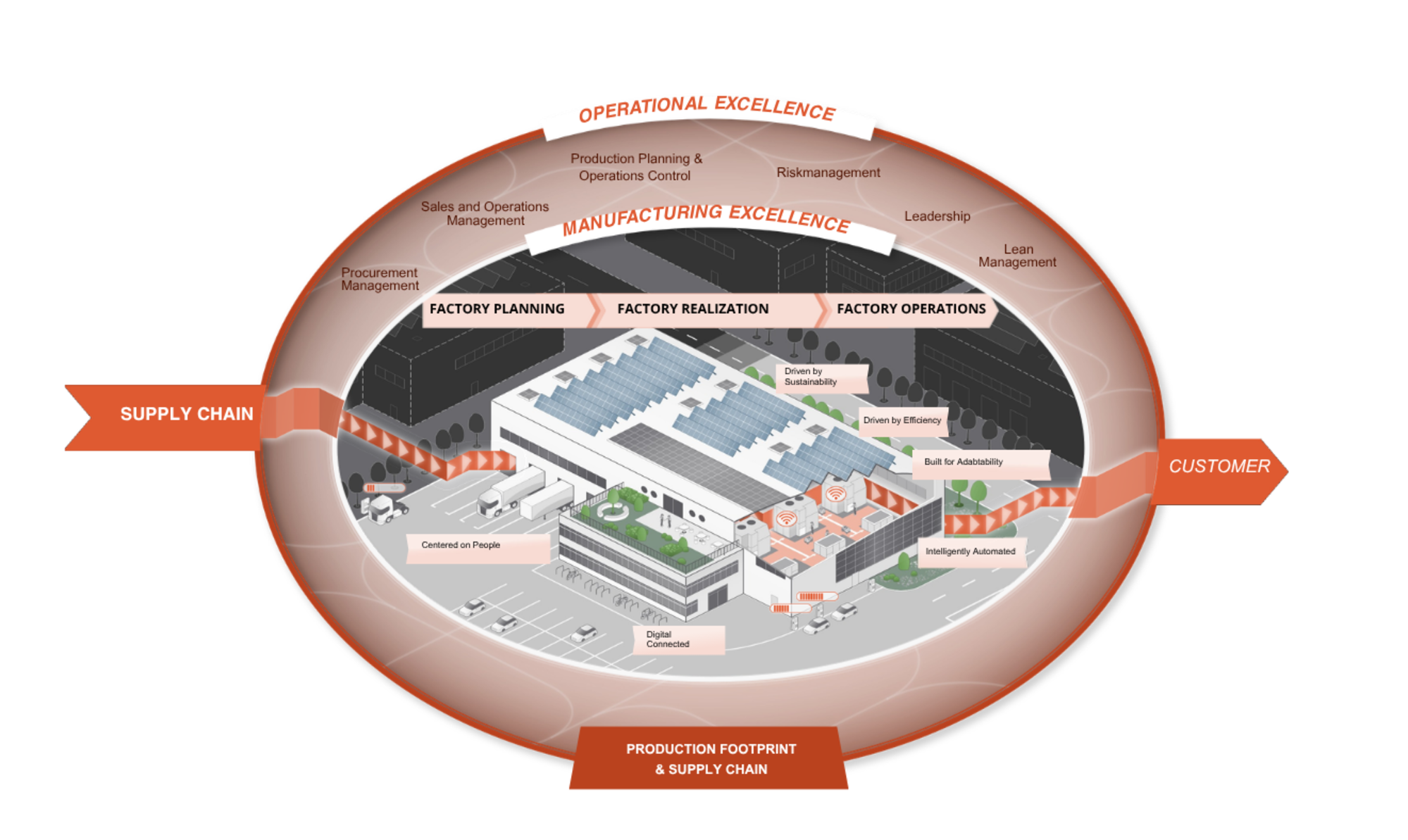
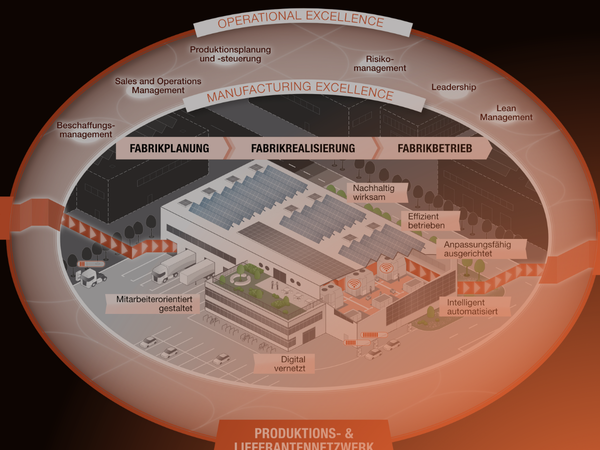
This makes procurement management part of the vision for an excellent factory: one that operates efficiently and can respond to changing requirements.

The Quick Check for Your Procurement Management

Where does your procurement create avoidable work, uncontrolled space requirements, or unnecessary capital tied up in inventory? Our Quick Check examines eight areas and shows where a more detailed assessment is likely to deliver the greatest value. We review the current situation together with procurement, logistics, and production, involving other departments as needed. The Quick Check lays the groundwork for subsequent planning and implementation.

Strategy

Do procurement and supply chain objectives match production requirements?

What We Assess

We compare supply targets, inventory targets, and financial objectives, and make conflicting goals visible.

Processes

Are the steps from identifying a material requirement to supplying it to production clearly defined?

What We Assess

We review orders, approvals, and information handovers for delays and unnecessary coordination effort.

Organization

Who is responsible for requirements, inventory, and responding to missing parts?

What We Assess

We examine roles and interfaces among procurement, materials planning, quality, logistics, and production.

Management

Are deviations identified and addressed in time?

What We Assess

We review metrics, regular communication routines, and escalation paths, as well as how they are integrated into shop floor management.

Materials Procurement

Are materials purchased according to their different requirements?

What We Assess

We examine material groups, order quantities, and procurement rules in relation to consumption, lead times, and how critical each material is to production.

Supplier Management

How reliably do your suppliers provide materials to the factory?

What We Assess

We review delivery performance, dependencies, and how deviations are handled. From this, we identify ways to improve supplier integration.

Continuous Improvement

Are recurring problems resolved systematically?

What We Assess

We examine how root causes are analyzed, improvements are coordinated with suppliers, and their effects on cost and quality are reviewed.

Employee Skills

Do the teams involved have the methods and knowledge they need?

What We Assess

We review the allocation of tasks, work instructions, and training needs for implementing changes to procurement processes.

Procurement Optimization from Analysis to Implementation in the Factory

1Clarify the Current Situation and Target State with a Quick Check

The Quick Check is the starting point. We bring together the findings from the eight areas and determine which material and supplier data need closer analysis. Together, we define objectives for supply, inventory, space requirements, costs, and administrative effort, along with suitable metrics. The result is a prioritized basis for the next steps, with data gaps clearly identified.

2Plan Procurement and Factory Operations Together

On this basis, we analyze materials and their requirements in detail, select suitable procurement models, set demand-based inventory coverage targets and safety stock levels, and define requirements for supplier integration. We also consider the interfaces with goods receipt, warehousing, and supply to production. You receive a coordinated concept with a financial assessment and prioritized measures.

For materials with long replenishment lead times, we assess alternative supply concepts. Together with suppliers, we analyze the relevant production and throughput times to identify ways to reduce inventory, lead times, and supply risks.

3Support Implementation and Measure the Impact

Together with your departments, we translate the concept into working procedures and clear responsibilities. Any necessary ERP changes are made by your systems specialists or suitable partners. Using the agreed metrics, we assess how material availability, inventory, space requirements, costs, and administrative effort change relative to the starting point.

FAQs about Procurement Management

What Is the Difference Between Procurement Management and Procurement Logistics?

Procurement management covers the planning and control of procurement, including strategy, suppliers, and processes. Procurement logistics deals with the associated material and information flows from the supplier to the plant, including transportation, delivery, goods receipt, and incoming goods storage. The subsequent movement of materials within the plant to supply production falls under intralogistics or production logistics. Metroplan coordinates these areas.

What Does Procurement Management at Metroplan Include?

Our focus is material supply for manufacturing companies. Starting with the Quick Check, we connect material and supplier analyses, inventory coverage planning, and inventory parameters with the requirements of goods receipt, warehousing, and production. We assess the financial impact and work with your departments to implement the organizational changes.

How Can Inventory Be Reduced While Maintaining a Reliable Supply?

Inventory must be assessed by material group. Consumption, actual replenishment lead times, approval times, and how critical a material is to production determine the buffer required. We check the effects of changes against inventory levels and material shortages. A larger buffer may also make sense for individual critical materials.

Contact

Your contacts

Scroll to top