Lean Consulting for your production operations
Lean methods with a measurable impact on your production operations
Lean methods with a measurable impact on your production operations





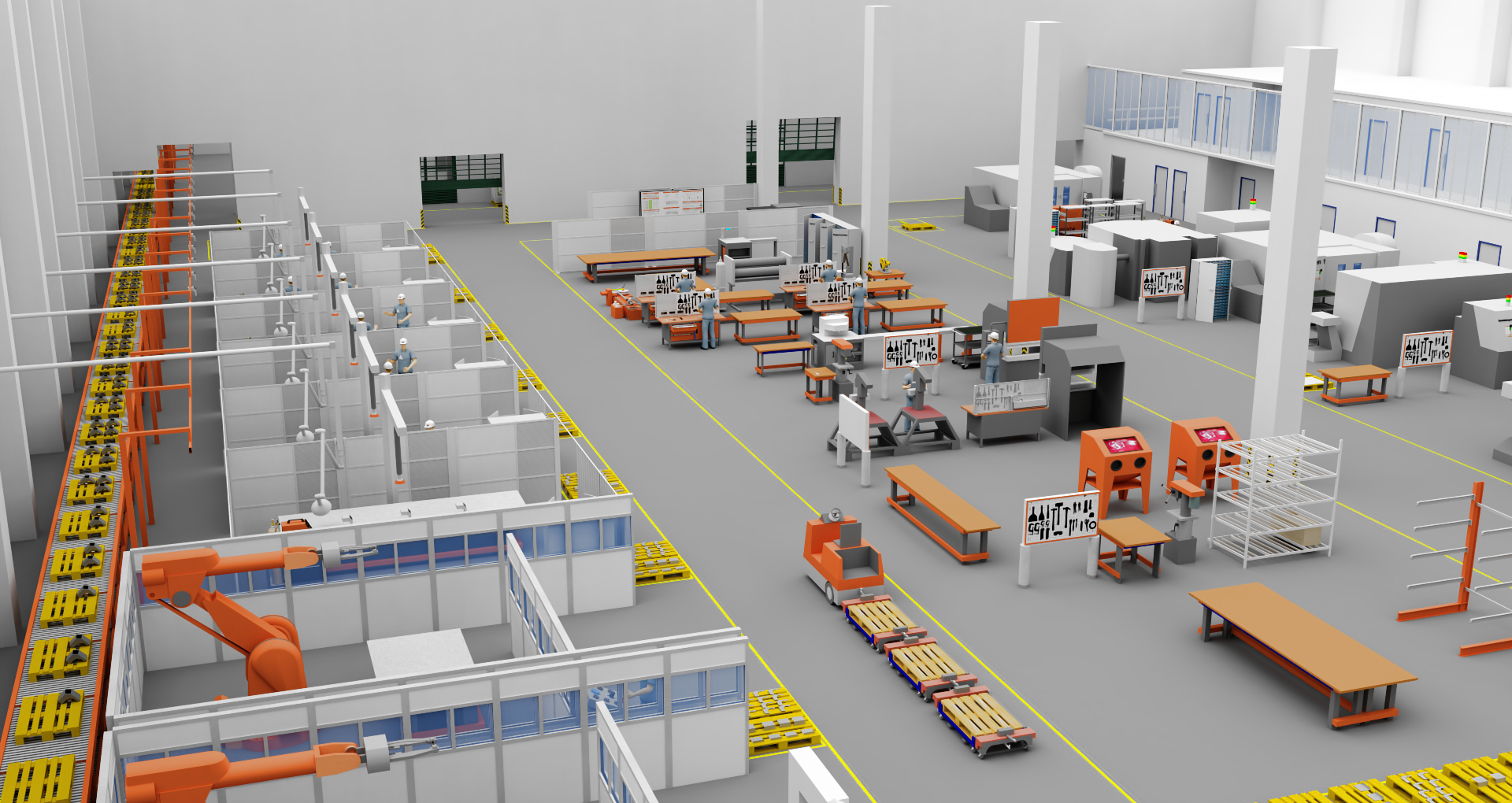
Challenges in order fulfillment can have many causes. In day-to-day operations, however, companies often address and temporarily resolve only the visible symptoms, while the root cause remains embedded in the value stream. Our Lean consulting approach uses proven analytical methods to create transparency and systematically identify the causes of waste. These findings provide the basis for developing targeted measures that sustainably improve performance in production and logistics.
Together with our customers’ shopfloor experts, we develop a customized Lean program that delivers tangible value:
Your use case is the starting point for our project
Sustainable improvement begins with a clear understanding of current processes and organizational and leadership structures. Only then can the true root causes of waste be identified at their source. Our OPEX experts combine proven analytical methods in a customized approach, creating the transparency required to assess your factory’s current performance and optimization potential.

Hypothesis workshops
Gemba Walks

Shopfloor assessments
Work sampling studies
Value stream analyses
Material flow analyses
SMED and OEE analyses
FMEA
And many more
Selecting the right analytical methods alone does not determine the success of a Lean initiative. The critical success factor is evaluating the findings holistically and translating the identified potential into actionable measures. Sustainable change and a culture of continuous improvement can only emerge when improvements become tangible, visible, and embedded in everyday shopfloor operations.
Lean Management creates transparency across processes, material flows, and working methods, revealing opportunities for improvement throughout the value stream. The systematic reduction of waste and continuous development of processes create the conditions for high-performing, competitive production operations.
Increase value-adding time by reducing waste and using all resources more efficiently.
Create robust operations through clear standards, transparent management, and controlled day-to-day processes.
Establish continuous flow through synchronized material and information structures across the value stream.
Reduce errors and deviations through stable processes and effective root-cause elimination.
Increase on-time delivery through fewer bottlenecks and more robust operations.
Establish actively practiced improvement routines through empowered, motivated employees and effective leadership structures.

In an excellent factory, decisions are based on reliable data. Transparent KPIs, visualized process flows, and traceable performance data reveal where bottlenecks reduce performance, waiting times disrupt flow, or uncontrolled inventory accumulates.
Smart KPI dashboards, visual performance management, interactive value stream maps, and material flow heat maps create a shared understanding of current performance in production and logistics. This provides the foundation for moving beyond isolated optimization projects and establishing a consistently practiced process of continuous improvement.
Despite technological advances, the fundamental principles of Lean Management remain the foundation of high-performing production and logistics.
New technologies, such as operating digital factory twins in the metaverse or providing targeted support through artificial intelligence, offer employees new possibilities. Together with our customers, we explore the targeted integration of new technologies across five dimensions.
Trust through projects

Quality Initiative and Efficiency Improvement in Medical Technology

Optimization of the Production Strategy in Medical Technology
What is Lean Consulting?
Lean Consulting helps companies identify waste, reduce lead times, and improve process efficiency. The focus is on creating lean workflows, stable processes, and a culture of continuous improvement across the entire value chain.
How can I identify Lean potential in my operations?
Typical indicators include high inventory levels, long lead times, frequent disruptions, unnecessary transportation, waiting times, rework, or a lack of transparency regarding actual process performance. These issues often point to inefficiencies and improvement opportunities within the value chain.
How do you ensure that improvements are sustainable?
Sustainable improvement is achieved through standardization, clear responsibilities, performance metrics, regular performance reviews, and a well-established continuous improvement process. The goal is to embed improvements into day-to-day operations and ensure long-term success.
Contact

Manager Business Development

Managing Partner